
Understanding Food as an Art and Experience
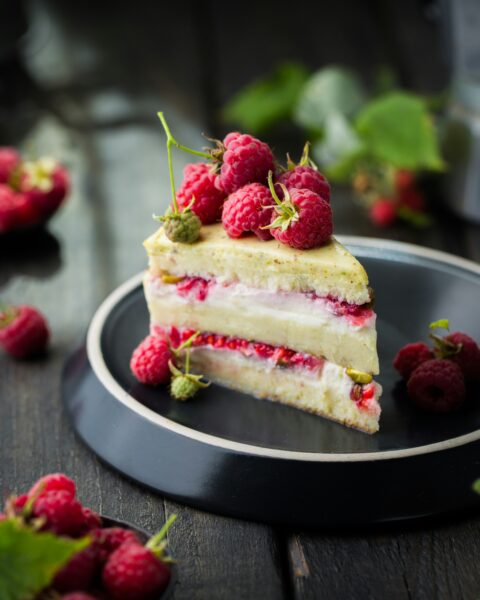
Food is not just a necessity for survival—it is an art that brings joy, creativity, and connection into our lives. Every dish tells a story, from the ingredients used to the way it is prepared and served. The flavors, colors, and aromas combine to create an experience that goes beyond taste.
Cooking is a form of expression. Just like painting or music, it allows you to create something unique using simple elements. The choice of ingredients, the balance of spices, and the presentation all reflect creativity and personal style.
Food also connects people. Sharing a meal creates moments of happiness and strengthens relationships. Whether it is a family dinner or a celebration, food plays a central role in bringing people together.
Exploring the art of food means appreciating not just how it tastes, but how it makes you feel. It is about enjoying the process of cooking and the experience of eating.
When you see food as an art, even simple meals become special. It transforms everyday cooking into something meaningful and enjoyable.
The Role of Ingredients in Creating Flavor
The foundation of any good dish lies in its ingredients. Fresh, high-quality ingredients can make a significant difference in taste and nutrition. Understanding how ingredients work together is key to creating delicious meals.
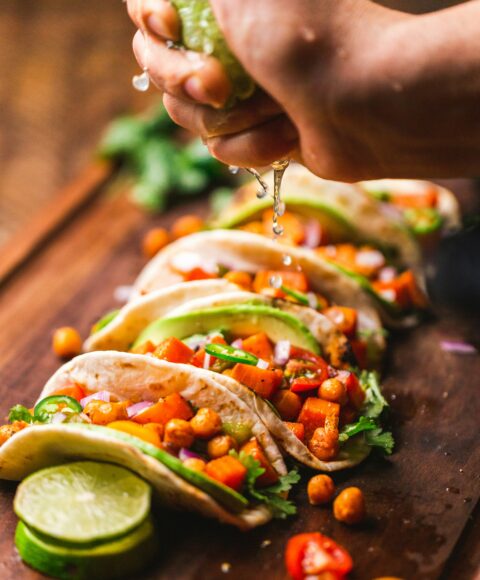
Each ingredient has its own flavor and purpose. Spices add warmth and depth, herbs bring freshness, and vegetables provide texture and nutrition. Combining these elements in the right way creates a balanced and flavorful dish.
Seasonal ingredients are often the best choice. They are fresher, more nutritious, and naturally more flavorful. Using ingredients that are in season enhances the overall quality of your cooking.
The way ingredients are prepared also matters. Chopping, grinding, and cooking techniques can change the flavor and texture of a dish. Even small details can have a big impact on the final result.
Experimenting with different ingredients helps you discover new flavors. Trying new combinations can lead to exciting and creative dishes.
Understanding ingredients is the first step in mastering the art of good food. It allows you to create meals that are both tasty and satisfying.
Balancing Taste, Nutrition, and Presentation
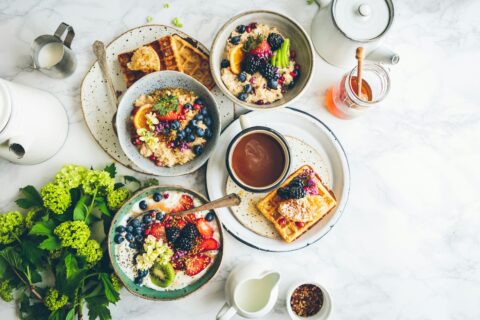
Good food is not just about taste—it is about balance. A well-prepared meal combines flavor, nutrition, and visual appeal to create a complete experience.
Taste is the most obvious aspect. A good dish should have a balance of flavors—sweet, salty, spicy, and sour. This balance makes the food enjoyable and satisfying.
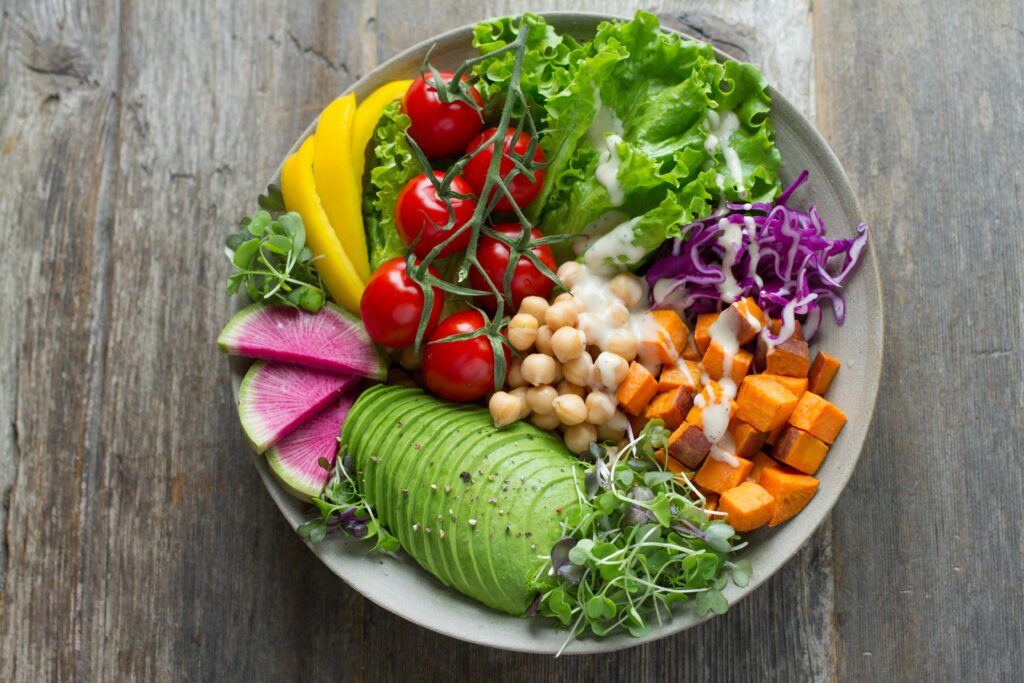
Nutrition is equally important. A healthy meal includes a mix of carbohydrates, proteins, and healthy fats. Adding fruits and vegetables ensures that your body gets essential vitamins and minerals.
Presentation plays a surprising role in how food is perceived. A well-presented dish looks more appealing and enhances the overall experience. Even simple plating techniques can make a big difference.
Portion control is also part of balance. Serving the right amount ensures that you enjoy your meal without overeating. It helps maintain both health and satisfaction.
When these elements come together, food becomes more than just something to eat—it becomes an experience to enjoy.
Exploring Different Cuisines and Culinary Traditions
One of the most exciting aspects of food is its diversity. Every culture has its own unique cuisine, shaped by history, geography, and traditions. Exploring different cuisines allows you to experience new flavors and broaden your understanding of food.
Traditional dishes often carry cultural significance. They represent the heritage and identity of a region. Trying these dishes helps you connect with different cultures and appreciate their uniqueness.
Global cuisine offers endless variety. From spicy Indian curries to Italian pasta and Asian stir-fries, each cuisine has something special to offer. Exploring these options keeps your meals interesting and exciting.
Learning about different cooking techniques also enhances your skills. Each cuisine uses specific methods that contribute to its unique taste and texture.
Traveling or trying new recipes at home can introduce you to new culinary experiences. It encourages creativity and adds variety to your daily meals.
Exploring different cuisines turns food into an adventure. It allows you to discover new tastes and appreciate the richness of global traditions.
Creating Joy and Meaning Through Food
Food has the power to create joy and bring meaning to everyday life. It is not just about eating—it is about the emotions and experiences associated with it.
Cooking can be a relaxing and fulfilling activity. It allows you to focus, be creative, and enjoy the process. Preparing a meal can be as rewarding as eating it.
Sharing food with others creates happiness. It brings people together and creates moments of connection. Whether it is a simple meal or a special occasion, food plays a central role in building relationships.
Food also has the ability to comfort. Familiar dishes can bring a sense of warmth and nostalgia. They remind us of home, family, and special memories.
Making food a part of your lifestyle means appreciating it beyond its basic purpose. It is about enjoying every step—from preparation to sharing.
In the end, the flavors of life are found in the experiences we create around food. By exploring the art of good food, you not only nourish your body but also enrich your life with joy, creativity, and connection.