

The Meaning of a Winning Mindset in Sports and Life
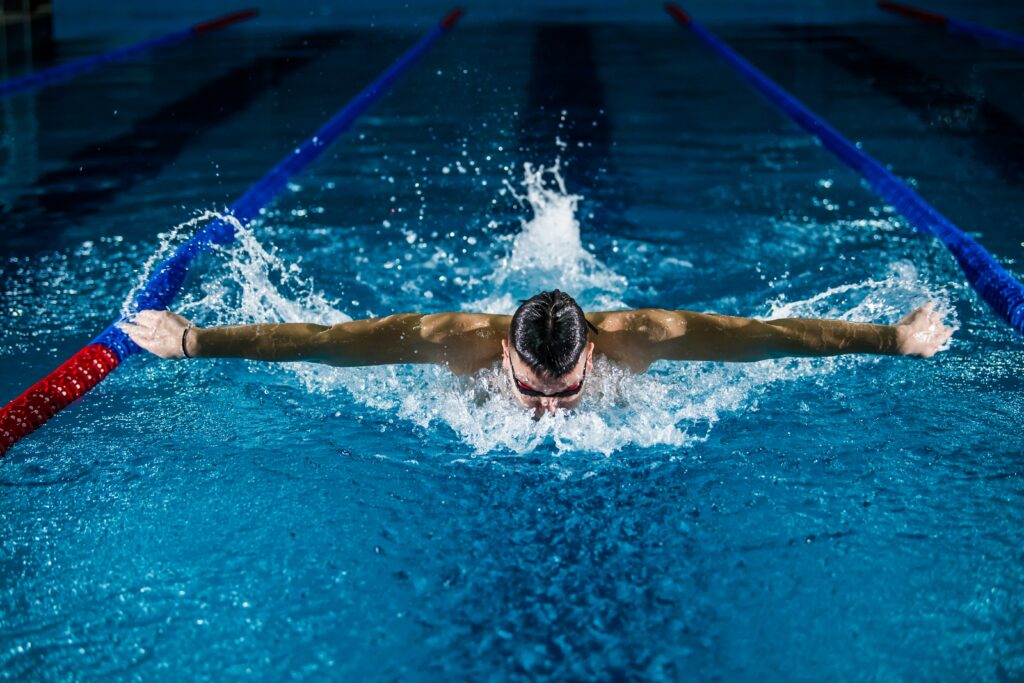
A winning mindset is often misunderstood as simply the desire to win. In reality, it is much deeper than that. It is about discipline, determination, resilience, and the ability to keep moving forward regardless of the outcome. In sports, athletes are constantly tested—not just physically but mentally. This mental strength is what defines a true winner.
A winning mindset is built through consistent effort. Athletes train daily, push their limits, and stay committed even when results are not immediate. This teaches them patience and the importance of trusting the process. They learn that success is not achieved overnight but through continuous improvement.
This mindset also encourages positivity. Even in difficult situations, athletes are trained to stay focused and believe in their abilities. This positive thinking helps them perform better under pressure and face challenges with confidence.
The concept of a winning mindset extends beyond sports. It influences how individuals approach life, handle obstacles, and pursue their goals. It is about striving for excellence rather than just victory.
Understanding this mindset helps us see that true success is not just about winning games but about building a strong and determined character.
Discipline and Hard Work: The Foundation of Success
Discipline is one of the most important qualities developed through sports. Athletes follow strict routines, maintain healthy habits, and dedicate time to practice. This level of commitment teaches them the value of hard work.
Regular practice is essential for improvement. Athletes understand that skills are developed through repetition and effort. Even when they feel tired or unmotivated, they continue to train. This consistency builds a strong work ethic.
Hard work also involves making sacrifices. Athletes often give up leisure time and comfort to focus on their goals. These sacrifices help them stay disciplined and prioritize what truly matters.
Time management is another skill gained through sports. Balancing training, studies, and personal life requires planning and organization. This ability becomes useful in other areas of life as well.
Discipline and hard work create a solid foundation for success. They teach individuals that effort and consistency are more important than talent alone.
Learning Resilience Through Challenges and Failures
Failure is a natural part of sports. No athlete wins every game, and mistakes are inevitable. However, what matters is how they respond to these failures. This is where resilience comes into play.
Resilience is the ability to bounce back from setbacks. Athletes learn to accept defeat, analyze their performance, and work on their weaknesses. Instead of giving up, they use failure as a learning opportunity.
Facing challenges also builds mental strength. High-pressure situations test an athlete’s ability to stay calm and focused. Over time, they develop the ability to handle stress and perform under pressure.
This resilience is not limited to sports. It helps individuals deal with real-life challenges, whether in academics, careers, or personal situations. The ability to stay strong during tough times is a valuable life skill.
Learning from failure teaches humility and perseverance. It reminds individuals that setbacks are temporary and that continuous effort leads to improvement.
Resilience is a key element of a winning mindset. It turns challenges into opportunities for growth and development.
Teamwork and Leadership: Building Strong Relationships
Sports are not just about individual performance; they are about teamwork. Playing as part of a team teaches individuals how to collaborate, communicate, and support others.
Teamwork requires trust. Players rely on each other to perform their roles effectively. This trust creates a sense of unity and helps the team achieve its goals.
Communication is another important aspect. Clear communication ensures coordination and reduces misunderstandings. It also helps build strong relationships among team members.
Sports also provide opportunities to develop leadership skills. Team captains and leaders are responsible for guiding others, making decisions, and maintaining team spirit. They learn to lead by example and inspire their teammates.
Even players who are not leaders learn valuable lessons. Supporting others, staying positive, and contributing to the team’s success are all important aspects of character building.
These experiences help individuals become better team players and leaders in real life. They learn how to work with others, handle responsibilities, and build strong relationships.
Applying Sports Lessons to Everyday Life
The lessons learned through sports have a lasting impact on everyday life. The qualities developed on the field—discipline, resilience, teamwork, and confidence—can be applied in various situations.
In academics, the habit of regular practice and focus helps students perform better. The ability to manage time and stay consistent improves productivity and results.
In professional life, teamwork and leadership skills are highly valued. Working effectively with others, communicating clearly, and taking responsibility are essential for success.
Sports also promote a healthy lifestyle. Regular physical activity improves overall health and reduces stress. It encourages individuals to take care of their bodies and maintain balance.
The mindset developed through sports helps individuals face challenges with confidence. They learn to stay positive, adapt to changes, and keep moving forward despite difficulties.
Ultimately, sports build more than just physical strength—they build character. A winning mindset is about growth, learning, and perseverance. It prepares individuals to succeed not only in sports but in every aspect of life.
Through sports, individuals discover their potential and develop the strength to achieve their goals. That is the true power of a winning mindset.