
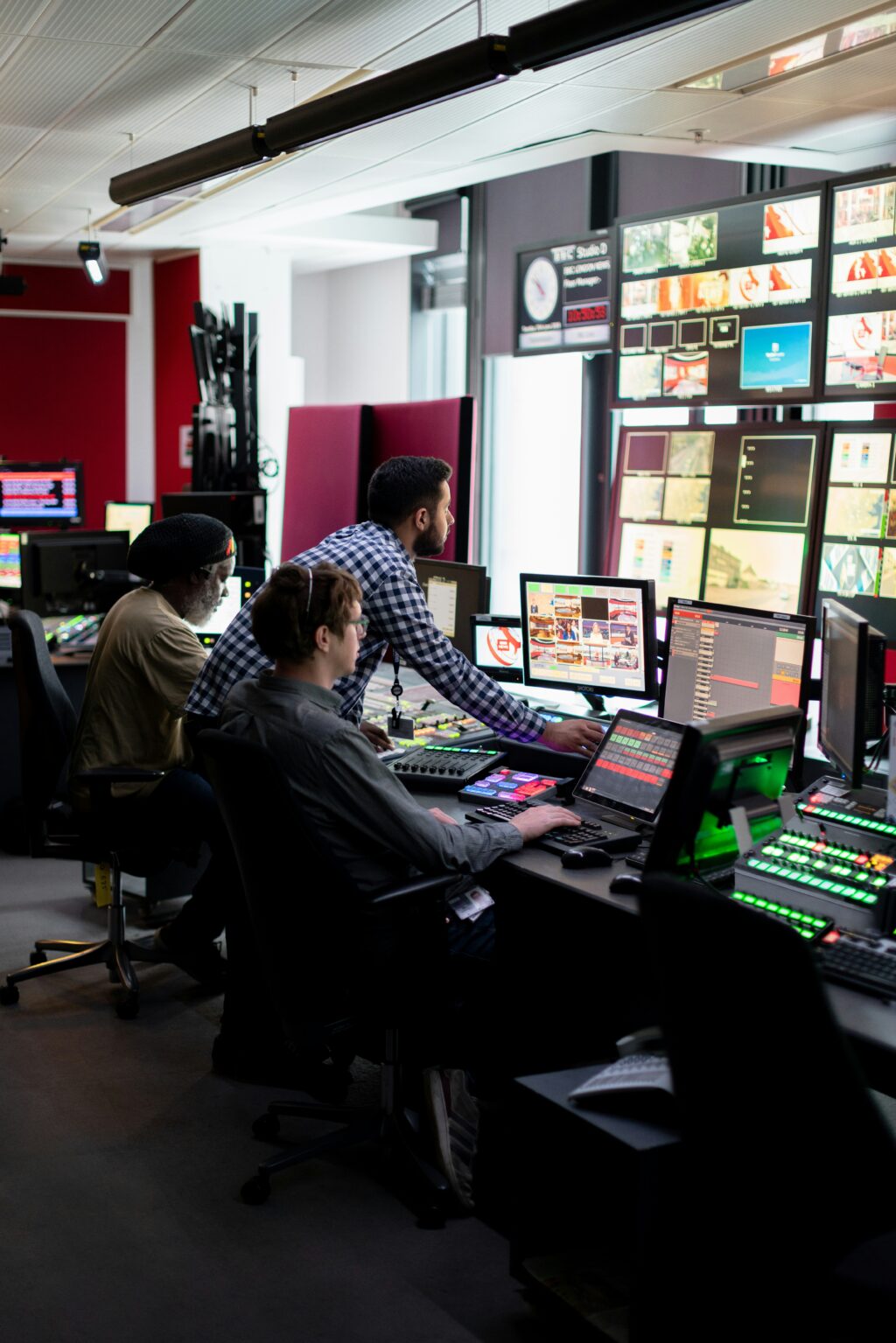

The Evolution of Technology in the Digital Era
The digital age has transformed the world in ways that were once unimaginable. From basic computers to advanced digital systems, technology has evolved rapidly, shaping how we live, work, and communicate. This evolution has not only improved efficiency but also created new opportunities across industries.
In earlier times, technology was limited and used mainly for specific tasks. Today, it is deeply integrated into everyday life. Smartphones, cloud platforms, and digital tools have made information accessible anytime and anywhere.
The shift from analog to digital systems has made processes faster and more reliable. Communication is instant, data can be stored securely, and tasks can be completed with greater accuracy.
Understanding this evolution helps us see how far technology has come and prepares us to adapt to future advancements. It highlights the importance of staying updated in a constantly changing digital environment.
The digital era is not just about technology—it is about how we use it to improve our lives.
Core Technologies Shaping the Modern World
Several key technologies are driving the digital age. These innovations form the foundation of modern systems and continue to influence different aspects of life.
Artificial Intelligence (AI) allows machines to learn from data and perform tasks that require human intelligence. It is used in healthcare, finance, and customer service to improve efficiency and accuracy.
Cloud computing enables data storage and access over the internet. It allows businesses and individuals to store large amounts of data without relying on physical storage devices.
The Internet of Things (IoT) connects devices, allowing them to communicate and share information. This creates a network of smart devices that improve convenience and efficiency.
Blockchain technology provides secure and transparent systems for transactions. It is widely used in finance and digital security.
These technologies are shaping the modern world by improving processes and creating new possibilities.
The Impact of Technology on Daily Life
Technology has become an essential part of daily life. It influences how people communicate, learn, work, and manage their routines.
Communication has become faster and more efficient. Messaging apps, video calls, and social media platforms allow people to connect instantly across the globe.
In education, digital tools and online platforms have made learning more accessible. Students can access resources and courses from anywhere, making education more flexible.
Technology has also improved convenience in daily tasks. Online shopping, digital payments, and smart devices make life easier and save time.
Entertainment has evolved with streaming platforms and digital content. People can access a wide range of media anytime.
While these changes offer many benefits, they also require responsible use. Managing screen time and maintaining a balance is important for overall well-being.
Technology continues to shape daily life in ways that enhance comfort and efficiency.
Developing Skills for the Digital World
To succeed in the digital age, individuals must develop relevant skills. Understanding technology and how to use it effectively is essential.
Digital literacy is the foundation. Knowing how to use devices, software, and online platforms helps individuals navigate the digital world confidently.
Critical thinking is also important. With vast amounts of information available, the ability to analyze and evaluate data is crucial.
Adaptability is key in a rapidly changing environment. Learning new tools and staying updated with trends helps individuals remain relevant.
Communication skills are equally important. Digital platforms require clear and effective communication, especially in remote work environments.
Continuous learning is necessary. Technology evolves quickly, and staying informed helps individuals grow and succeed.
Developing these skills ensures that individuals can make the most of the opportunities provided by modern technology.
Balancing Technology Use for a Better Future
While technology offers many advantages, it is important to use it wisely. Overdependence on digital tools can lead to challenges such as reduced physical activity and increased screen time.
Setting boundaries helps maintain a healthy balance. Taking breaks from devices and engaging in offline activities supports mental and physical health.
Using technology for productive purposes, such as learning and skill development, adds value to daily life. It ensures that technology becomes a tool for growth rather than distraction.
Privacy and security are also important. Being aware of how personal data is used and taking precautions helps protect information.
Ethical use of technology is essential for creating a positive digital environment. Respecting others and using digital platforms responsibly contributes to a better online community.
In the end, mastering the digital age is about understanding and balancing technology. By using it effectively and responsibly, we can create a future that is both advanced and meaningful.
Digital age mastery is not just about keeping up with technology—it is about using it to enhance life and achieve long-term success.