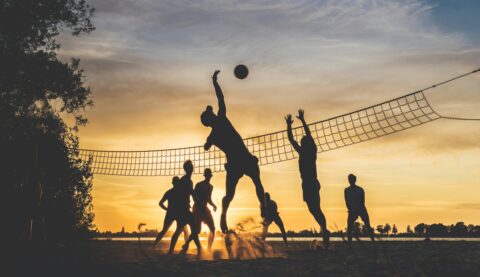

Understanding the True Meaning of Sportsmanship
Sportsmanship is more than just playing a game—it is about how you play it. It reflects your attitude, respect, and behavior both on and off the field. True sportsmanship is not defined by winning or losing but by the way you conduct yourself during the game.
Playing with passion means giving your best effort every time. It is about dedication, energy, and love for the sport. When passion is combined with respect and fairness, it creates the foundation of true sportsmanship.
Respect is a key element. Respecting your teammates, opponents, and officials shows maturity and discipline. It builds a positive environment where everyone can perform at their best.
Sportsmanship also teaches humility. Winning with grace and losing with dignity are signs of a strong character. It shows that you value the game more than just the result.
Understanding sportsmanship helps you realize that sports are not just about competition—they are about growth, learning, and character development.
The Role of Passion in Athletic Performance
Passion is what drives athletes to push their limits and improve continuously. It gives them the motivation to train hard, stay committed, and overcome challenges.
When you are passionate about something, you enjoy the process, not just the outcome. This makes practice more meaningful and helps you stay consistent even during difficult times.
Passion also improves performance. When you love what you do, you naturally give your best effort. This leads to better focus, energy, and determination.
Athletes who play with passion inspire others. Their energy and enthusiasm create a positive atmosphere and encourage teammates to perform better.
However, passion should be balanced with control. Excessive emotions can sometimes lead to frustration or poor decisions. Learning to channel your passion in a positive way is important.
Passion is the fuel that keeps athletes moving forward and striving for excellence.
Respect, Fair Play, and Team Spirit
True sportsmanship is built on respect and fairness. These values create a healthy and enjoyable environment for everyone involved.
Fair play means following the rules and playing honestly. It ensures that the game is conducted with integrity and respect. Cheating or unfair behavior not only affects the outcome but also damages your character.
Team spirit is another important aspect. Supporting your teammates, encouraging them, and working together toward a common goal strengthens the team. It creates trust and unity.
Respecting opponents is equally important. They are not just competitors but also part of the game. Acknowledging their effort and skill shows true sportsmanship.
Communication plays a key role in maintaining team spirit. Clear and positive communication helps build strong relationships and improves performance.
These values extend beyond sports. They teach individuals how to interact with others and build meaningful connections in life.
Learning Discipline and Handling Victory and Defeat
Discipline is one of the most valuable lessons learned through sports. It involves commitment, focus, and the ability to follow routines. Discipline helps athletes stay consistent and achieve their goals.
Handling victory and defeat is another important aspect of sportsmanship. Winning is exciting, but it should be celebrated with humility. Respecting your opponents even after winning shows maturity.
Losing, on the other hand, teaches resilience. It encourages you to learn from your mistakes and improve. Accepting defeat gracefully helps you grow stronger.
Emotional control is essential. Staying calm under pressure and maintaining a positive attitude helps you perform better and handle situations effectively.
These experiences prepare individuals for real-life challenges. They teach patience, perseverance, and the importance of continuous improvement.
Discipline and emotional strength are key components of true sportsmanship.
Applying Sportsmanship in Everyday Life
The lessons learned through sports are not limited to the field—they can be applied in everyday life. Sportsmanship helps shape your personality and behavior in different situations.
In academics and work, discipline and teamwork play a crucial role in success. The ability to collaborate and stay focused helps you achieve your goals.
Respect and fairness improve relationships. Treating others with kindness and understanding builds trust and strengthens connections.
Handling success and failure in life is similar to sports. Staying humble during success and strong during challenges helps you maintain balance.
Confidence gained through sports also reflects in daily life. It helps you face challenges with a positive mindset and take on new opportunities.
In the end, playing with passion and practicing true sportsmanship creates a strong character. It teaches values that go beyond the game and stay with you throughout life.