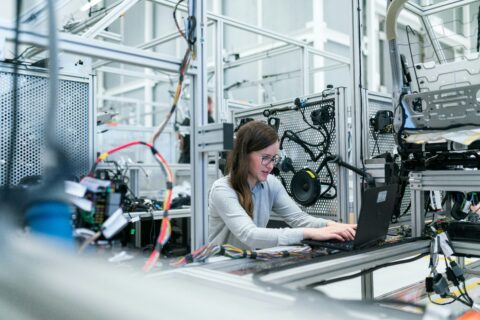

The Rise of a Smarter Digital World
The world is becoming smarter with each passing day, driven by rapid advancements in technology. From simple tools to intelligent systems, technology has evolved into something that not only assists but also understands and adapts to human needs.
Today, digital transformation is visible in almost every aspect of life. Whether it is communication, education, healthcare, or entertainment, technology has made processes faster, easier, and more efficient. The concept of a “smart world” is no longer futuristic—it is already happening.
This transformation is powered by innovation and connectivity. Devices are no longer working independently; they are connected, sharing information and improving functionality. This interconnected environment creates a seamless experience for users.
As the world becomes smarter, it also becomes more dependent on technology. Understanding this shift helps individuals and societies adapt to new systems and make better use of available tools.
The rise of a smart world marks the beginning of a new era where technology plays a central role in shaping human life.
Artificial Intelligence: Making Systems Intelligent
Artificial Intelligence (AI) is one of the key drivers of this transformation. It allows machines to learn from data, recognize patterns, and make decisions, making systems more intelligent and efficient.
AI is used in many areas of daily life. Virtual assistants, recommendation systems, and chatbots are common examples that help users perform tasks quickly and easily. These systems improve user experience by providing personalized solutions.
In healthcare, AI helps in diagnosing diseases and improving treatment plans. In business, it is used to analyze data and enhance decision-making. These applications show how AI is transforming industries.
Automation, powered by AI, reduces the need for manual effort. Repetitive tasks can be completed quickly and accurately, allowing people to focus on more creative work.
While AI offers many benefits, it also raises concerns about data privacy and ethical use. Managing these challenges is important for sustainable growth.
AI is not just a trend—it is a major force shaping the future of technology and life.
Smart Devices and Connected Living
Smart devices are changing how we interact with our environment. These devices are designed to connect, communicate, and perform tasks efficiently.
Smartphones, smartwatches, and home automation systems are becoming part of daily life. They allow users to control various functions with ease, improving convenience and comfort.
The Internet of Things (IoT) plays a major role in connected living. It enables devices to share information and work together. This creates a system where everything is interconnected.
Smart homes are a perfect example. Lighting, temperature, and security systems can be controlled remotely, making life more comfortable and secure.
Wearable devices help monitor health and fitness. They provide real-time data, encouraging healthier habits and better lifestyle choices.
Connected living is also expanding into cities, where technology is used to manage traffic, energy, and public services.
These advancements are making life more efficient, but they also highlight the need for strong data security.
Transforming Work, Education, and Communication
Technology has brought significant changes to how people work, learn, and communicate. Traditional systems are being replaced by digital solutions that offer greater flexibility.
Remote work has become more common, allowing people to work from anywhere. Digital tools enable collaboration and communication, making work more efficient.
Education has also transformed. Online learning platforms and digital resources have made education more accessible. Students can learn at their own pace and from any location.
Communication has become faster and more convenient. Messaging apps, video calls, and social media platforms allow people to stay connected globally.
These changes have improved productivity and accessibility. However, they also require individuals to manage their time and maintain a balance between digital and real life.
Technology continues to reshape these areas, creating new opportunities and challenges.
The Future of a Smart World: Opportunities and Challenges
The future of technology holds endless possibilities. Innovations such as advanced robotics, virtual reality, and blockchain are expected to further transform the world.
These technologies can improve quality of life, create new industries, and solve complex problems. They offer opportunities for growth and development.
However, there are challenges that must be addressed. Data privacy, cybersecurity, and ethical concerns are important issues that require attention.
Another challenge is ensuring equal access to technology. Bridging the digital divide is essential for creating a fair and inclusive smart world.
Continuous learning will be necessary to keep up with technological changes. Individuals must adapt and develop new skills to stay relevant.