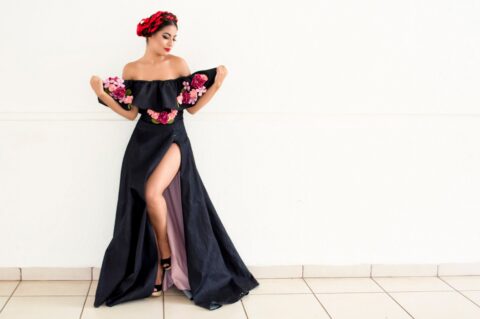
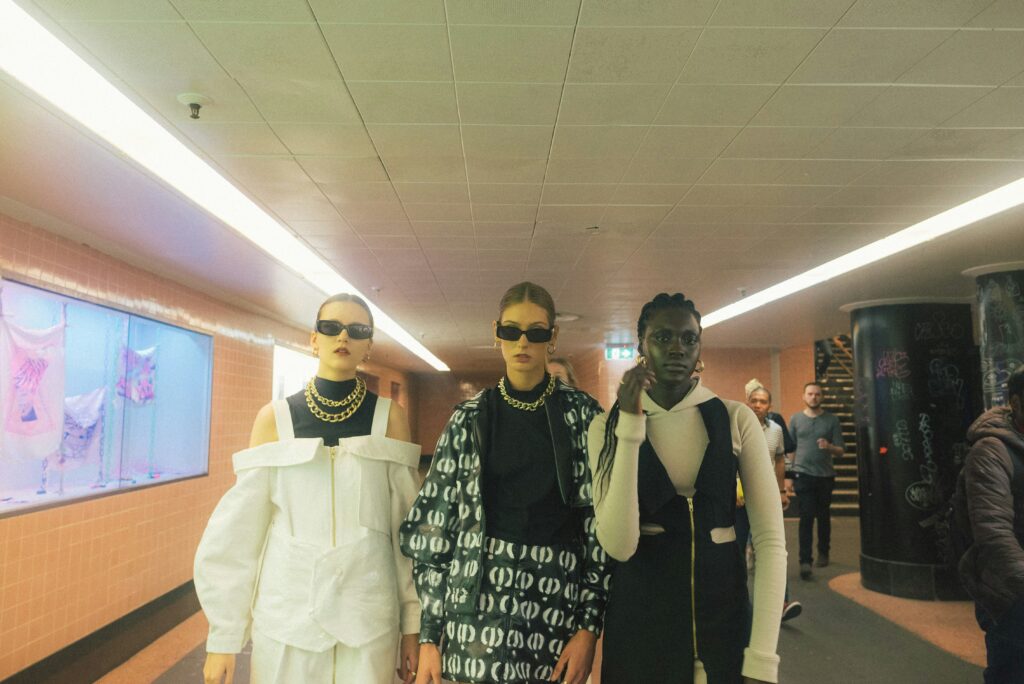
1. Understanding Style Beyond Clothing
When people think of style, they often limit it to outfits—shirts, jeans, dresses, or shoes. But true style goes far beyond clothing. It is a reflection of your personality, your mindset, and the way you carry yourself.
Style is not just what you wear; it is how you wear it. Two people can wear the same outfit, yet look completely different. The difference lies in confidence, attitude, and individuality. This is what separates fashion from style.
Fashion is external—it changes with trends and seasons. Style, on the other hand, is internal. It is consistent and personal. It evolves with you but remains rooted in your identity.
Your signature style is the combination of your choices, preferences, and experiences. It includes not only your clothing but also your grooming, posture, communication, and overall presence.
Understanding this difference is the first step in creating a strong style. Instead of focusing only on what’s trending, you begin to focus on what represents you.
Style also reflects your lifestyle. A student, a professional, or a creative individual may all have different styles based on their daily routines and environments. The key is to align your style with your life.
When you start seeing style as more than just outfits, you unlock its true potential. It becomes a powerful tool for self-expression and confidence.
2. Discovering Your Personal Identity Through Fashion
Creating a signature style begins with self-discovery. Before choosing clothes, you need to understand yourself—your personality, your preferences, and your comfort zone.
Ask yourself simple questions: What colors do I like? What kind of outfits make me feel confident? Do I prefer bold looks or minimal styles? These answers help in defining your identity.
Your experiences also shape your style. The environment you grow up in, the people you interact with, and the influences you follow all contribute to your fashion choices.
It is important to separate inspiration from imitation. While it is okay to take ideas from others, your style should not be a copy of someone else. It should reflect your own story.
Experimentation plays a crucial role in this process. Trying different styles, mixing outfits, and stepping out of your comfort zone help you discover what suits you best.
Mistakes are part of the journey. Not every outfit will work, and that’s okay. Each mistake teaches you something new about your preferences.
Over time, these experiments lead to clarity. You begin to notice patterns in your choices—certain colors, fits, or styles that you naturally gravitate towards. This becomes the foundation of your signature style.
In the end, personal identity is the core of style. When you understand yourself, your fashion choices become more meaningful and authentic.
3. Building a Signature Style That Stands Out
A signature style is what makes you recognizable. It is the unique combination of elements that define your look and set you apart from others.
Building a signature style requires consistency. This does not mean wearing the same outfit every day, but maintaining a certain aesthetic. It could be a preference for certain colors, a specific type of clothing, or even a particular way of styling.
Details play an important role. Small elements like accessories, footwear, or layering can make a big difference. These details add depth and personality to your style.
Quality is another key factor. Investing in well-made pieces not only enhances your appearance but also creates a more refined and polished look.
Your signature style should also be practical. It should suit your daily life and activities. Fashion should not feel like a burden—it should feel natural and comfortable.
Confidence is what truly makes your style stand out. When you are confident in your choices, it reflects in your posture and presence. This confidence is what people notice the most.
Another important aspect is adaptability. While your core style remains consistent, it should also evolve with time. As you grow and change, your style should reflect that growth.
Creating a signature style is not about being perfect—it is about being authentic. It is about finding what works for you and embracing it fully.
4. The Role of Grooming, Attitude, and Presence
Style is not limited to clothing. Grooming, attitude, and presence play a significant role in defining your overall look.
Grooming is the foundation. Cleanliness, proper hygiene, and attention to details like hair, skin, and nails contribute to a polished appearance. Even the best outfit can lose its impact without proper grooming.
Attitude is equally important. The way you carry yourself, your confidence, and your body language all influence how your style is perceived. A confident attitude can elevate even the simplest outfit.
Posture also matters. Standing straight, maintaining eye contact, and having a relaxed yet confident stance can make a huge difference in your overall presence.
Communication is another aspect of style. The way you speak, your tone, and your expressions all contribute to your personality. Style is not just visual—it is experiential.
Your presence is the combination of all these elements. It is the energy you bring into a room. When your grooming, attitude, and style align, you create a strong and lasting impression.
Consistency in these areas helps in building a strong personal brand. People begin to associate certain qualities with you, making your style more recognizable.
In the end, true style is a combination of external appearance and internal confidence. It is about how you present yourself as a whole.
5. Evolving Your Style: Growth, Confidence, and Expression
Style is not static—it evolves over time. As you grow, your preferences, lifestyle, and personality change. Your style should reflect this evolution.
Growth in style comes from experience. The more you experiment, the more you learn about what works for you. This learning process helps in refining your style.
Confidence plays a key role in this evolution. As you become more comfortable with your choices, you feel more confident in expressing yourself. This confidence allows you to take risks and explore new styles.
Expression is the ultimate goal of style. It is about showing the world who you are and what you stand for. Your style becomes a reflection of your journey, your experiences, and your growth.
It is important to stay open to change. Holding on to outdated styles can limit your growth. At the same time, blindly following trends can dilute your identity. The key is to find a balance.
Your signature style should evolve naturally. It should adapt to new phases of your life while staying true to your core identity.
Fashion is a journey, not a destination. There is always something new to learn, explore, and express.
In the end, creating your signature style is about more than just looking good. It is about feeling confident, being authentic, and expressing yourself fully.
When you move beyond outfits and focus on identity, your style becomes powerful. It becomes a true reflection of who you are—unique, confident, and unforgettable.