1. Food as a Storytelling Experience
Food is much more than a basic necessity—it is a powerful form of storytelling. Every dish carries a history, a memory, and a cultural identity. From the spices used to the way it is cooked, food reflects traditions that have been passed down through generations.
When we take a bite of something delicious, we are not just tasting flavors—we are experiencing a story. A simple home-cooked meal can remind someone of childhood, family gatherings, or special occasions. Similarly, a traditional dish can represent the heritage of an entire community.
Each ingredient in a recipe has its own significance. Spices, herbs, and cooking techniques all contribute to the narrative of a dish. For example, slow-cooked meals often reflect patience and care, while street food represents energy, creativity, and everyday life.
Food also connects people. Sharing a meal is one of the oldest and most universal ways of bonding. It brings people together, creates conversations, and strengthens relationships. In many cultures, food is at the center of celebrations, rituals, and traditions.
In today’s fast-paced world, where convenience often replaces tradition, it is important to remember the deeper meaning of food. It is not just about satisfying hunger—it is about preserving stories, emotions, and cultural identity.
When you start seeing food as a storytelling experience, every meal becomes more meaningful. It turns eating into a journey—one that connects the past, present, and future.
2. The Cultural Journey Through Cuisine
One of the most fascinating aspects of food is its ability to represent culture. Every region, country, and community has its own unique cuisine, shaped by geography, climate, history, and traditions.
Traveling through food is like exploring the world without leaving your plate. Each dish introduces you to a new culture, new flavors, and new experiences. From spicy curries to sweet desserts, every cuisine has something unique to offer.
Cultural identity is deeply connected to food. Traditional recipes are often preserved and passed down through generations, maintaining a sense of heritage. These recipes carry stories of ancestors, migrations, and historical events.
Fusion cuisine is another interesting aspect of modern food culture. As people travel and cultures interact, new dishes are created by combining elements from different cuisines. This blending of flavors reflects the evolving nature of society.
Street food plays a significant role in cultural expression. It represents the everyday life of people, offering authentic and affordable experiences. Street food is often rich in flavor and creativity, making it an essential part of culinary culture.
Food also reflects values and beliefs. For example, certain cultures have specific dietary practices based on religion or tradition. These practices add another layer of meaning to food.
Exploring cuisine is not just about trying new dishes—it is about understanding different ways of life. It allows you to appreciate diversity and see the world from a new perspective.
3. The Emotional Connection Between Food and Memories
Food has a unique ability to evoke emotions and memories. A single bite can take you back to a specific moment in time—a childhood memory, a family gathering, or a special celebration.
This emotional connection makes food deeply personal. It is not just about taste—it is about feelings. Comfort food, for example, is often associated with warmth, safety, and happiness. It provides a sense of familiarity and comfort during difficult times.
Family recipes hold a special place in this emotional connection. These recipes are often passed down through generations, carrying memories of loved ones. Cooking and sharing these dishes keeps those memories alive.
Food also plays a role in creating new memories. Celebrations, festivals, and gatherings are often centered around meals. These moments become part of our life story, making food an important part of our experiences.
The smell and taste of food can trigger strong emotional responses. This is because our senses are closely linked to memory. A familiar aroma can instantly remind us of a place or a person.
In many ways, food becomes a form of emotional expression. Cooking for someone is a way of showing care and love. Sharing a meal is a way of connecting with others.
Understanding this emotional connection helps us appreciate food on a deeper level. It reminds us that food is not just about nourishment—it is about memories, relationships, and emotions.
4. The Art and Creativity Behind Every Dish
Cooking is not just a skill—it is an art. It involves creativity, experimentation, and passion. Every dish is a result of careful planning, imagination, and execution.
Chefs and home cooks alike use ingredients as their tools and recipes as their guides. But beyond that, they bring their own creativity to the process. This creativity is what makes each dish unique.
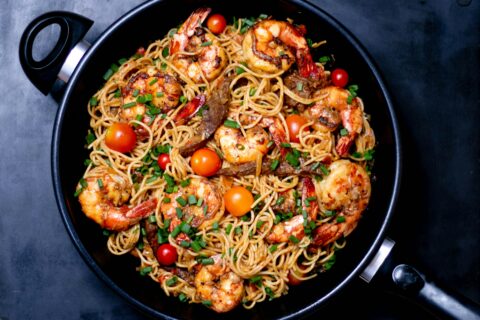
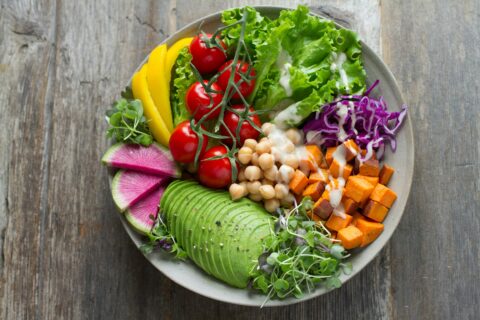
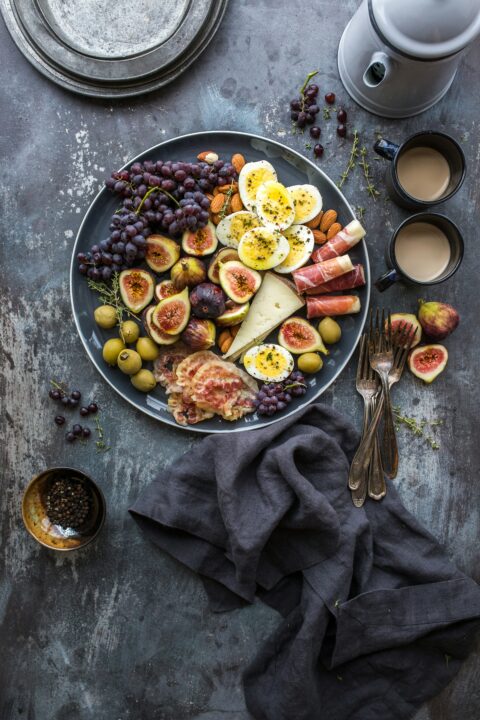
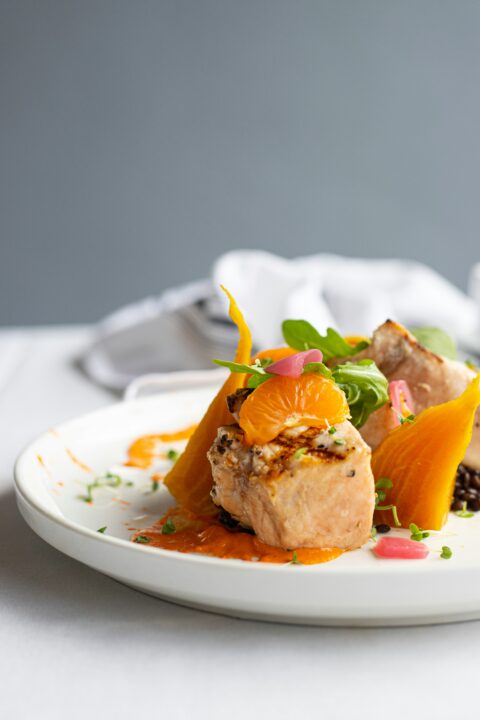
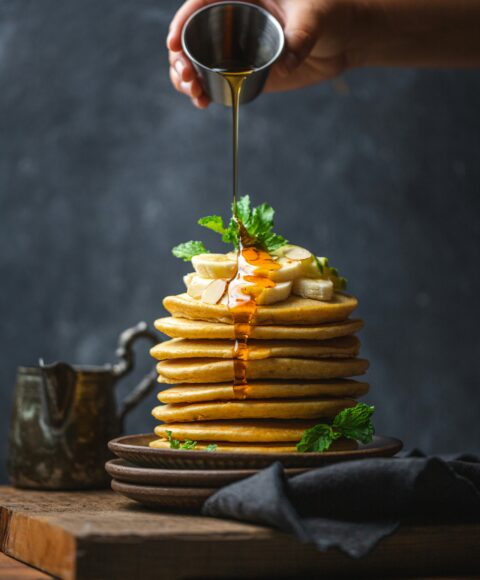
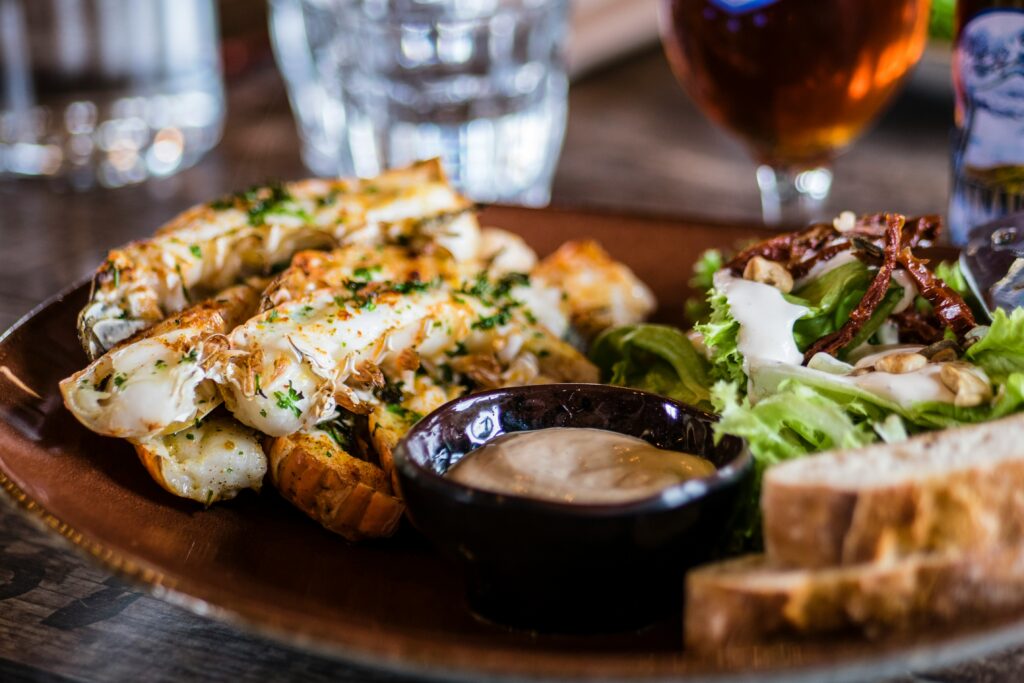
Presentation is an important part of this art. The way food looks can enhance the overall experience. Colors, textures, and arrangement all contribute to making a dish visually appealing.
Innovation in cooking has led to the creation of new flavors and techniques. Modern cooking often combines traditional methods with contemporary ideas, resulting in exciting and unique dishes.
Cooking also requires balance. Flavors need to complement each other, and ingredients need to work together. Achieving this balance is what makes a dish truly delicious.
Experimentation is key to creativity. Trying new ingredients, mixing different cuisines, and exploring new techniques can lead to surprising results. This process of discovery makes cooking an enjoyable experience.
The art of cooking is not limited to professionals. Anyone can be creative in the kitchen. It is about expressing yourself and enjoying the process.
In the end, every dish is a piece of art—a combination of flavor, creativity, and passion.
5. Savoring the Journey: Food as a Celebration of Life
Food is not just about eating—it is about experiencing and celebrating life. Every meal is an opportunity to pause, appreciate, and enjoy the moment.
In today’s busy world, people often eat in a hurry, focusing more on convenience than experience. But taking the time to savor food can make a big difference. It allows you to fully enjoy flavors and appreciate the effort behind each dish.
Food brings people together. Sharing meals creates a sense of community and belonging. It is a way of connecting with others and building relationships.
Celebrations are often centered around food. Festivals, weddings, and special occasions all involve meals that bring people together. These moments create lasting memories.
Mindful eating is an important concept in this journey. It involves being present and aware while eating, appreciating the taste, texture, and aroma of food. This practice enhances the overall experience.
Food also teaches gratitude. It reminds us of the effort involved in growing, preparing, and serving meals. This awareness helps us appreciate food more deeply.
Ultimately, food is a celebration of life. It reflects culture, emotions, creativity, and connection. It turns simple moments into meaningful experiences.
When you start savoring the journey, every bite becomes more than just food—it becomes a story, a memory, and a celebration.