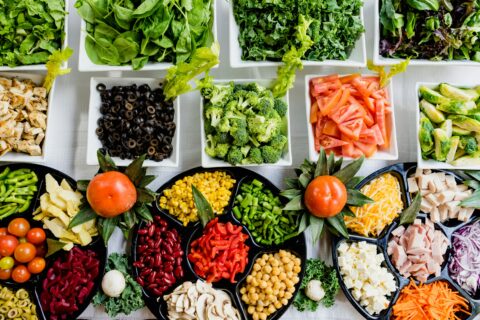


Understanding the Importance of Smart Eating
Food is not just about satisfying hunger—it is the fuel that powers your body and mind. The choices you make about what you eat directly affect your energy levels, mood, and overall health. Smart eating is about being mindful of these choices and selecting foods that support your well-being.
In today’s world, unhealthy food options are easily available, making it important to stay aware of what you consume. Eating well does not mean strict dieting—it means making balanced and informed decisions.
When you eat the right foods, your body functions better. You feel more energetic, focused, and positive throughout the day. Smart eating is a long-term approach that improves your quality of life.
Understanding the value of good nutrition is the first step toward feeling great every day.
Building a Balanced and Nutritious Diet
A balanced diet includes a variety of nutrients that your body needs to function properly. It is important to include different food groups in your daily meals.
Fruits and vegetables provide essential vitamins and minerals. They help maintain overall health and improve immunity. Including a variety of colors in your diet ensures a range of nutrients.
Proteins are important for building and repairing tissues. Foods like pulses, dairy, and lean sources of protein support muscle strength and growth.
Whole grains provide energy and support digestion. They are a better choice compared to refined grains.
Healthy fats, when consumed in moderation, support brain function and overall health. Choosing the right sources of fat is important.
Balancing these elements in your meals helps you maintain a healthy and active lifestyle.
Making Smart Food Choices in Daily Life
Smart eating is about making better choices consistently. It does not require complicated planning—simple decisions can make a big difference.
Choosing fresh and natural foods over processed items is a good start. Fresh ingredients are more nutritious and beneficial.
Reading food labels helps you understand what you are consuming. Being aware of ingredients allows you to make informed decisions.
Portion control is also important. Eating the right amount helps maintain balance and prevents overeating.
Planning your meals in advance can help you avoid unhealthy options. It ensures that you have access to nutritious food throughout the day.
Small changes in your daily routine can lead to significant improvements in your health.
The Connection Between Food and Well-Being
The food you eat affects not only your physical health but also your mental well-being. A healthy diet supports both your body and mind.
Nutritious food provides energy and helps you stay active. It improves concentration and productivity.
Certain foods can influence your mood. Balanced meals help maintain stable energy levels, reducing fatigue and irritability.
Hydration is also important. Drinking enough water supports digestion and keeps your body functioning properly.
Eating well can also improve sleep quality. A healthy routine helps your body maintain balance.
Understanding this connection helps you make choices that support overall well-being.
Creating a Sustainable and Healthy Lifestyle
Healthy eating should be a long-term habit, not a temporary change. Creating a sustainable lifestyle ensures lasting benefits.
Start with small, realistic changes. Trying to change everything at once can be overwhelming. Focus on gradual improvement.
Consistency is key. Making healthy choices regularly leads to better results over time.
Avoid extreme restrictions. Allowing flexibility helps you maintain balance and enjoy your meals.
Stay mindful of your habits. Regular self-checks help you stay on track and make adjustments when needed.
In the end, eating well is about taking care of yourself. When you make smart food choices, you not only improve your health but also enhance your overall quality of life.
A healthy diet is not just about food—it is about creating a lifestyle that helps you feel your best every day.