
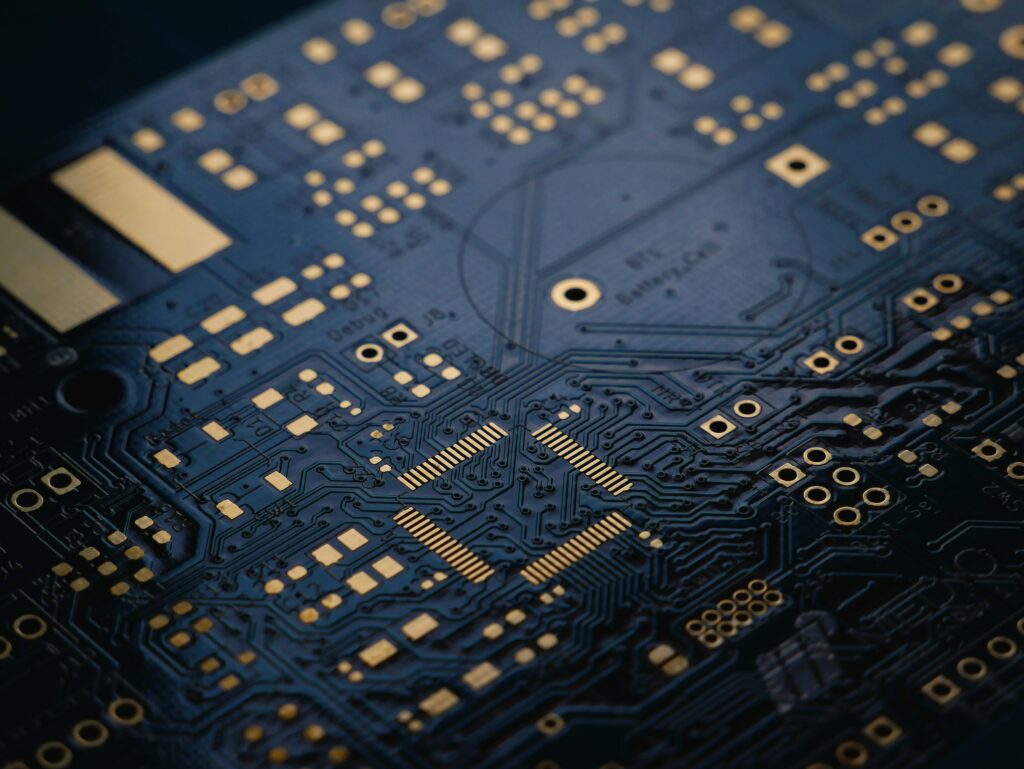

1. The Rise of the Digital Revolution
The digital revolution has transformed the way we live, work, and interact. What once seemed like science fiction is now a part of everyday life. From smartphones to smart homes, technology has become deeply embedded in modern society.
This revolution began with the development of computers and the internet. Over time, advancements in software, hardware, and connectivity have accelerated this transformation. Today, digital tools are not just conveniences—they are necessities.
One of the most significant aspects of the digital revolution is accessibility. Information is now available at our fingertips. People can learn, communicate, and access services instantly.
The digital revolution has also changed industries. Businesses have moved online, education has become digital, and healthcare has embraced technology. These changes have improved efficiency and created new opportunities.
However, this transformation also comes with challenges. Issues like data privacy, cybersecurity, and digital dependency need to be addressed.
In many ways, the digital revolution is not just about technology—it is about change. It is about adapting to a new way of living and embracing innovation.
2. Technology in Everyday Life: Convenience and Connectivity
Technology has made everyday life more convenient and connected. Tasks that once required time and effort can now be completed with a few clicks.
Communication has become instant. Messaging apps, social media, and video calls allow people to stay connected regardless of distance.
Online services have simplified daily activities. Shopping, banking, and entertainment are now easily accessible through digital platforms.
Smart devices have also improved convenience. From smart homes to wearable technology, these innovations enhance comfort and efficiency.
Connectivity is another key aspect. The internet has created a global network where people can share information and collaborate.
However, this convenience also requires balance. Overuse of technology can lead to reduced physical activity and social interaction.
Understanding how to use technology effectively is essential for maintaining a healthy lifestyle.
3. Transforming Industries Through Innovation
The digital revolution has reshaped various industries, creating new possibilities and improving efficiency.
In education, digital tools have made learning more accessible. Online courses, virtual classrooms, and digital resources have changed the way knowledge is shared.
Healthcare has also benefited from technology. Telemedicine, digital records, and advanced diagnostics have improved patient care.
The business world has undergone significant changes. E-commerce, digital marketing, and data analytics have transformed how companies operate.
Entertainment has evolved as well. Streaming platforms, gaming, and digital content have created new forms of engagement.
Transportation is another area of transformation. Ride-sharing apps, navigation systems, and emerging technologies like autonomous vehicles are changing how we travel.
These innovations show how technology is driving progress across different sectors.
4. Challenges of the Digital Age
While technology offers many benefits, it also presents challenges that need to be addressed.
One of the biggest concerns is data privacy. With so much information being shared online, protecting personal data is essential.
Cybersecurity is another issue. As technology advances, so do threats like hacking and cyberattacks.
Digital dependency is also a growing concern. Excessive use of technology can affect mental health and reduce real-world interactions.
Job displacement due to automation is another challenge. As machines take over certain tasks, people need to adapt and learn new skills.
The digital divide is also an issue. Not everyone has equal access to technology, creating gaps in opportunities.
Addressing these challenges requires awareness, education, and responsible use of technology.
5. The Future of Technology and Human Responsibility
The future of technology is full of possibilities. Innovations like artificial intelligence, virtual reality, and renewable energy are shaping the next phase of the digital revolution.
However, the future is not just about technology—it is about how we use it. Responsibility plays a key role in ensuring that technology benefits society.
Education is essential. Understanding technology and its impact helps in making informed decisions.
Ethical practices are also important. Developers and organizations must ensure that technology is used for positive purposes.
Sustainability is another factor. Using technology to protect the environment and conserve resources is crucial.
Collaboration is needed to address challenges and create solutions. Governments, businesses, and individuals must work together.
Ultimately, the digital revolution is a powerful force. It has the potential to improve lives, create opportunities, and shape the future.
By embracing technology responsibly, we can create a world that is not only advanced but also balanced and sustainable.