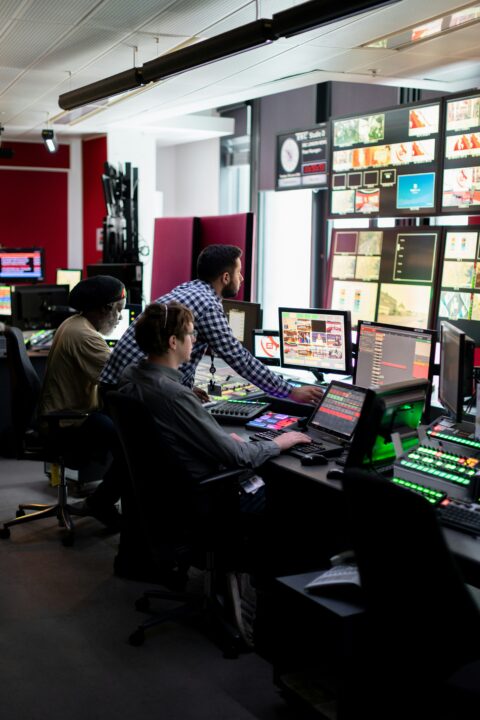

The Beginning of an Intelligent Era
Technology is no longer just a tool—it is becoming intelligent. We are entering an era where machines and systems can think, learn, and adapt. This shift marks the rise of smart systems that are transforming how we live and work.
Unlike traditional technology, intelligent systems do not just follow commands. They analyze data, understand patterns, and make decisions. This makes them more efficient and capable of handling complex tasks.
From everyday gadgets to large-scale industrial systems, intelligence is being integrated everywhere. This is the foundation of a smarter and more connected world.
The intelligent era is not coming—it is already here.
Artificial Intelligence as the Core of Smart Systems
Artificial Intelligence (AI) is the driving force behind smart systems. It enables machines to learn from experience and improve over time.
AI powers many technologies we use daily, such as voice assistants, recommendation systems, and smart applications. It helps personalize experiences and make tasks easier.
In industries, AI is used to analyze large amounts of data, automate processes, and improve decision-making. It increases efficiency and reduces errors.
Machine learning, a part of AI, allows systems to recognize patterns and predict outcomes. This makes technology more proactive and responsive.
AI is not just enhancing systems—it is redefining how they function.
The Role of IoT and Connected Devices
Smart systems rely on connectivity to function effectively. The Internet of Things (IoT) connects devices, allowing them to communicate and share data.
This network of connected devices creates a seamless environment where systems work together. Smart homes, for example, allow users to control lighting, security, and appliances remotely.
Wearable devices track health and provide real-time insights. Smart cities use connected systems to manage traffic, energy, and public services.
The integration of IoT makes technology more interactive and efficient. It allows systems to respond in real time.
Connectivity is what brings intelligence to life in modern technology.
Transforming Everyday Life and Industries
Smart systems are changing how people live and how industries operate. In daily life, they bring convenience and automation.
Simple tasks like controlling home devices, managing schedules, or tracking health have become easier with smart technology.
In industries, intelligent systems improve productivity and efficiency. They help businesses optimize operations and make data-driven decisions.
Healthcare is benefiting from smart diagnostics and personalized treatments. Education is becoming more accessible through digital platforms.
These changes are making life easier while also creating new opportunities.
Balancing Innovation with Responsibility
As smart systems continue to grow, it is important to use them responsibly. Issues like data privacy, security, and ethical use must be addressed.
Technology should enhance life without compromising safety or personal information. Responsible development ensures that benefits are shared widely.
Users must also be aware of how they interact with technology. Maintaining balance between digital and real life is essential.
Continuous learning is important as technology evolves. Staying informed helps individuals adapt and use technology effectively.
In the end, smart systems represent a powerful shift toward intelligent living. They are making the world more connected, efficient, and innovative.
By embracing these advancements responsibly, we can create a future where technology works for us—making life smarter, easier, and more meaningful.