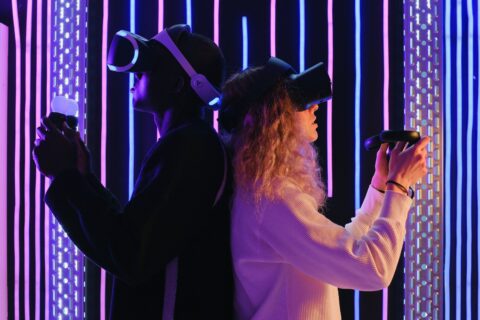


Entering a New Era of Intelligence
The world is moving toward an intelligent future where technology is not just functional but smart and adaptive. This shift marks the rise of systems that can think, learn, and respond in real time.
Smart technology is becoming a part of everyday life. From homes to workplaces, intelligent systems are improving how tasks are performed and decisions are made.
This new era is driven by innovation and the need for efficiency. Technology is no longer just supporting us—it is working alongside us.
The intelligent future is shaping a world that is faster, smarter, and more connected.
Artificial Intelligence at the Core
Artificial Intelligence (AI) is the backbone of smart technology. It enables machines to analyze data, learn patterns, and make decisions.
AI powers many tools we use daily, such as voice assistants, recommendation systems, and automated services. It improves convenience and personalization.
In industries, AI is used for data analysis, customer service, and process optimization. It increases efficiency and accuracy.
Machine learning allows systems to improve over time, making them more effective.
AI is transforming how technology functions and interacts with users.
Smart Devices and Connected Living
Smart devices are making life more convenient and efficient. Smartphones, smartwatches, and home automation systems are now common in daily life.
The Internet of Things (IoT) connects these devices, allowing them to communicate and share information.
Smart homes enable users to control lighting, temperature, and security remotely. Wearable devices track health and provide real-time insights.
Connected living creates a seamless experience where everything works together.
This integration is making everyday tasks easier and more efficient.
Transforming Industries and Daily Life
Smart technology is impacting various industries, including healthcare, education, and business.
In healthcare, intelligent systems help with diagnosis and treatment planning. In education, digital tools make learning more accessible.
Businesses use smart technology to improve operations and customer experiences.
Daily life has become more convenient with digital services like online shopping, payments, and communication.
These changes are improving efficiency and creating new opportunities.
Challenges and the Need for Responsible Use
As smart technology grows, it brings challenges such as data privacy and security concerns.
Ensuring that technology is used responsibly is important. Systems must be designed to protect user data and maintain trust.
Overdependence on technology can also affect daily life. Maintaining a balance between digital and real-world interactions is essential.
Awareness and education help people use technology effectively and safely.
Responsible use ensures that technology benefits everyone.
Shaping the Future with Smart Innovation
The rise of smart technology is just the beginning. Future innovations will continue to improve efficiency, connectivity, and user experience.
Adapting to these changes will be important. Learning new skills and staying informed will help individuals grow.
The intelligent future offers endless possibilities. It has the potential to solve problems and improve quality of life.
In the end, smart technology is not just about advancement—it is about transformation.