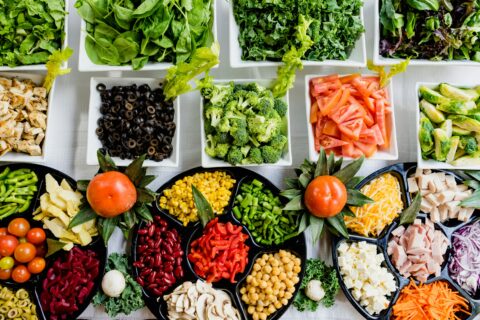


1. The Simple Joy of Eating
Food is one of life’s simplest pleasures, yet it holds the power to bring immense joy. A single bite of your favorite dish can lift your mood, comfort your heart, and create a sense of satisfaction that goes beyond hunger.
In our daily lives, eating often becomes a routine—something we do quickly between tasks. But when we slow down and truly experience food, it transforms into something special. The taste, texture, aroma, and presentation all come together to create a moment of bliss.
Joy in food does not always come from luxury or expensive meals. Sometimes, the simplest dishes bring the greatest happiness. A home-cooked meal, a warm cup of tea, or a favorite snack can create moments of comfort and contentment.
Food also has the ability to bring people together. Sharing a meal with family or friends creates a sense of connection and happiness. These shared experiences often become cherished memories.
Understanding the joy of eating requires mindfulness. Being present while eating allows you to fully appreciate the experience. It turns a simple act into a meaningful one.
In the end, food is not just about nourishment—it is about joy. It is about taking a moment to appreciate life, one bite at a time.
2. The Emotional Connection Between Food and Happiness
Food is deeply connected to emotions. It has the power to influence how we feel, making it an important part of our emotional well-being.
Certain foods are associated with comfort. They remind us of home, family, and moments of happiness. These comfort foods provide a sense of security and warmth.
Food also plays a role in celebrations. Birthdays, festivals, and special occasions are often centered around meals. These moments create positive emotions and lasting memories.
The connection between food and emotions is also linked to our senses. Taste and smell are closely connected to memory, which is why certain dishes can instantly bring back memories.
Cooking for someone is a way of expressing love and care. It shows effort and thoughtfulness, making the experience more meaningful.
However, it is important to maintain balance. While food can bring joy, it should not be the only source of emotional comfort. A healthy relationship with food involves enjoying it without overdependence.
In many ways, food becomes a language of emotion. It expresses happiness, care, and connection, making it an essential part of life.
3. Exploring Flavors: A Journey of Taste
Every dish offers a unique combination of flavors. Exploring these flavors is like going on a journey—one that introduces you to new tastes, cultures, and experiences.
Flavors are created through a balance of ingredients. Sweet, salty, sour, bitter, and spicy elements come together to create a complete experience.
Different cuisines offer different flavor profiles. From the rich spices of Indian food to the subtle flavors of Japanese cuisine, each culture has its own approach to taste.
Trying new foods can be an exciting experience. It allows you to step out of your comfort zone and discover new preferences.
Cooking is also a way to explore flavors. Experimenting with ingredients and techniques can lead to new and exciting dishes.
Presentation adds to this experience. The way food looks can enhance the overall enjoyment, making it more appealing.
Exploring flavors is not just about taste—it is about curiosity and creativity. It is about discovering new possibilities and enjoying the journey.
4. The Role of Food in Connection and Culture
Food is a universal language that connects people across cultures. It brings individuals together, regardless of differences in language or background.
Sharing meals is one of the oldest forms of connection. It creates opportunities for conversation, bonding, and understanding.
Cultural identity is deeply tied to food. Traditional dishes reflect history, values, and heritage. They are passed down through generations, preserving cultural traditions.
Food also plays a role in hospitality. Offering food to guests is a sign of respect and care in many cultures.
Traveling through food allows you to experience different cultures. Trying local cuisine provides insight into the lifestyle and traditions of a place.
Food festivals and events celebrate this diversity. They bring people together to enjoy and appreciate different cuisines.
In many ways, food acts as a bridge. It connects people, cultures, and experiences, creating a sense of unity.
5. Creating Bliss Through Mindful Eating
Mindful eating is the key to experiencing true joy in food. It involves being present and aware while eating, allowing you to fully enjoy the experience.
In today’s fast-paced world, people often eat while distracted—watching screens or thinking about other tasks. This reduces the enjoyment of food.
Mindful eating encourages you to slow down. It involves paying attention to each bite, appreciating the flavors, and enjoying the moment.
This practice also improves digestion and overall well-being. When you eat slowly and consciously, your body processes food more effectively.
Gratitude is an important part of mindful eating. Appreciating the effort behind food—the ingredients, preparation, and cooking—adds depth to the experience.
Creating a calm eating environment can also enhance the experience. Simple actions like setting the table or eating in a quiet space can make a difference.
In the end, mindful eating transforms food into a source of joy and fulfillment. It allows you to experience bliss in every bite.
When you combine awareness, appreciation, and enjoyment, food becomes more than just a necessity—it becomes a celebration of life.