

1. More Than Just Food: The Meaning Behind Every Meal
Food is often seen as a daily necessity—something we consume to satisfy hunger and maintain energy. But when we look deeper, every meal carries a story. It is not just about ingredients and recipes; it is about the journey, the effort, and the emotions behind it.
Every plate of food represents a process that begins long before it reaches the table. Farmers grow the crops, suppliers transport the ingredients, and cooks transform them into meals. This journey adds value and meaning to what we eat.
Meals also reflect personal experiences. A simple dish prepared at home may carry memories of family traditions, while a special meal may represent celebration and joy.
The meaning of food changes when we become aware of this journey. It is no longer just about consumption—it becomes about appreciation.
Food also reflects culture and identity. Traditional recipes tell stories of heritage, history, and community. They connect us to our roots and preserve cultural values.
In many ways, every meal is a story waiting to be understood. When we recognize this, we begin to see food as more than just nourishment—it becomes a meaningful experience.
2. The Journey of Ingredients: From Source to Plate
Every meal begins with ingredients. These ingredients have their own journey—from farms and markets to kitchens and dining tables.
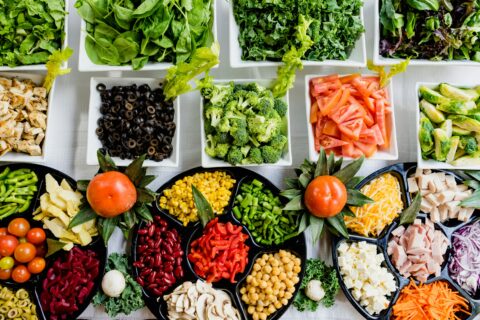
Fresh produce, grains, spices, and other components all come from different sources. Each ingredient carries its own story, shaped by geography, climate, and tradition.
The process of growing and harvesting requires time, effort, and care. Farmers play a crucial role in this journey, ensuring that food reaches us in its best form.
Transportation and storage also contribute to this process. Maintaining quality and freshness is essential in delivering good food.
In the kitchen, these ingredients are transformed. Cooking techniques, recipes, and creativity turn raw materials into delicious meals.
This transformation is both a science and an art. It requires knowledge, skill, and attention to detail.
Understanding the journey of ingredients helps us appreciate the effort behind every meal. It reminds us that food is not just something we eat—it is something that is created with care.
3. Emotions Served on a Plate
Food is deeply connected to emotions. It has the power to bring comfort, happiness, and a sense of belonging.
A home-cooked meal often carries love and care. It reflects the effort and intention of the person who prepared it. This emotional connection makes the food more meaningful.
Food also plays a role in celebrations. Festivals, birthdays, and special occasions are often centered around meals. These moments create positive memories and strengthen relationships.
Comfort food is another example of this connection. Certain dishes can provide a sense of security and warmth, especially during difficult times.
Cooking itself can be an emotional experience. It allows people to express creativity and care. Preparing food for others is a way of showing love and appreciation.
Sharing meals also enhances emotional connection. Sitting together, talking, and enjoying food creates a sense of unity.
In many ways, food becomes a language of emotion. It communicates feelings that words sometimes cannot express.
4. Culture, Tradition, and Identity in Food
Food is a reflection of culture and tradition. Every cuisine carries elements of history, geography, and social practices.
Traditional dishes are often passed down through generations. They preserve cultural heritage and maintain a sense of identity.
Different regions have unique cooking styles and ingredients. These variations create diversity in food and make each cuisine special.
Food also plays a role in rituals and traditions. Certain dishes are prepared for specific occasions, adding meaning to celebrations.
Globalization has introduced new influences, leading to fusion cuisine. While this brings innovation, it also highlights the importance of preserving traditional recipes.
Cultural exchange through food allows people to experience different lifestyles. Trying new cuisines helps in understanding and appreciating diversity.
Food is not just about taste—it is about identity. It tells the story of a community and its way of life.
5. From Plate to Heart: Creating Meaningful Food Experiences
The journey of food does not end on the plate—it continues in the heart. The way we experience food determines its true value.
Mindful eating is an important part of this experience. Being present while eating allows you to appreciate flavors, textures, and aromas.
Gratitude also enhances the experience. Recognizing the effort behind food creates a sense of appreciation.
Sharing meals with others adds depth to the experience. It creates memories and strengthens relationships.
Creating a pleasant environment—whether through presentation, setting, or company—can make meals more enjoyable.
Food also becomes a way of self-care. Taking time to prepare and enjoy meals contributes to overall well-being.
Ultimately, food is not just about nourishment—it is about connection, emotion, and experience.
When you understand the story behind every meal, you begin to see food in a new light. It becomes a journey from plate to heart—a journey filled with meaning, emotion, and appreciation.