
Understanding the Basics of Smart Eating
Healthy eating does not have to be complicated. Smart eating is about making simple, balanced choices that support your body and mind. It focuses on quality, portion, and consistency rather than strict rules.
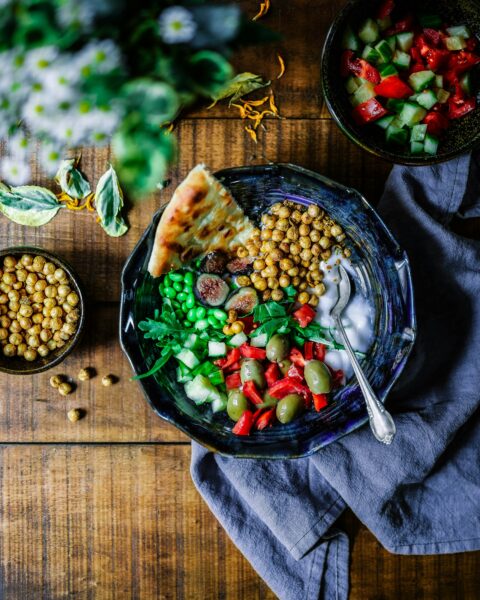
A healthy plate includes a mix of nutrients—vegetables, proteins, whole grains, and healthy fats. This balance helps your body function properly and keeps your energy levels steady throughout the day.
Smart eating also means being aware of what you consume. Choosing fresh and natural foods over processed options makes a big difference in your overall health.
When you keep things simple, healthy eating becomes easier to follow.
Building a Balanced and Nutritious Plate
Creating a healthy plate is all about balance. Each meal should include different types of nutrients that your body needs.
Vegetables and fruits provide vitamins, minerals, and fiber. They support digestion and improve overall health.
Proteins help build and repair muscles. Including sources like pulses, dairy, or other protein-rich foods is important.
Whole grains provide long-lasting energy and help maintain stable blood sugar levels.
Healthy fats, when consumed in the right amount, support brain function and overall well-being.
Combining these elements creates meals that are both nutritious and satisfying.
Simple Habits for Everyday Healthy Eating
Healthy eating becomes easier when you follow simple daily habits.
Start by planning your meals. Knowing what you will eat reduces the chances of choosing unhealthy options.
Drink enough water throughout the day. Hydration is essential for proper body function.
Avoid skipping meals. Regular eating keeps your metabolism active and energy levels stable.
Limit processed and packaged foods. Fresh and home-cooked meals are always a better choice.
Eating slowly and mindfully helps you enjoy your food and avoid overeating.
These small habits can create a big impact over time.
Balancing Taste and Nutrition
Healthy food should not feel boring or restrictive. It is possible to enjoy delicious meals while maintaining good nutrition.
Using herbs and spices can enhance flavor without adding unhealthy ingredients. Simple cooking methods help retain both taste and nutrients.
Trying new recipes keeps your meals interesting and enjoyable.
Allowing occasional treats in moderation helps maintain balance. Strict restrictions can make healthy eating difficult to sustain.
When taste and nutrition are balanced, healthy eating becomes enjoyable and sustainable.
Creating a Positive Relationship with Food
Smart eating is not just about what you eat—it is also about how you think about food. A positive mindset makes a big difference.
Avoid labeling foods as “good” or “bad.” Focus on balance and moderation instead.
Listen to your body. Eat when you are hungry and stop when you are satisfied.
Do not feel guilty about occasional indulgence. Enjoy your meals without stress.
Building a healthy relationship with food helps you maintain long-term habits.
In the end, a healthy plate leads to a happy you. When you make smart and simple choices, you support your physical and mental well-being.