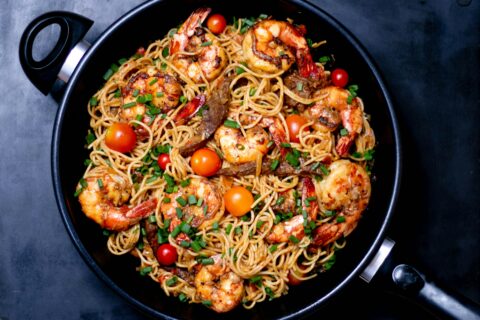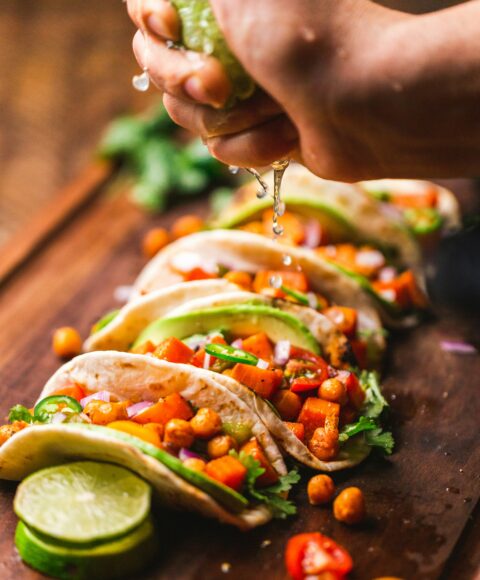


. The Art of Savoring Food
In today’s fast-paced world, eating has often become a rushed activity. Meals are consumed quickly, sometimes without even noticing the flavors or textures. But true enjoyment of food lies in savoring it—taking the time to fully experience every bite.
Savoring food is an art. It involves engaging your senses—taste, smell, sight, and even touch. When you slow down and pay attention, food becomes more than just nourishment; it becomes an experience.
Each bite carries layers of flavor. The balance of spices, the texture of ingredients, and the aroma all contribute to the overall experience. By savoring food, you allow yourself to appreciate these details.
Mindful eating is closely connected to this concept. It encourages you to be present, to focus on the moment, and to enjoy the process of eating. This not only enhances enjoyment but also improves digestion and overall well-being.
Savoring food also creates a deeper connection with it. You begin to understand the effort and creativity behind each dish.
In essence, savoring is about slowing down and appreciating what is in front of you. It turns a simple meal into a meaningful experience.
2. The Role of Taste in Culinary Experiences
Taste is one of the most important aspects of food. It is what defines a dish and makes it memorable.
The human palate can detect a variety of flavors—sweet, salty, sour, bitter, and umami. These flavors combine in different ways to create unique taste experiences.
Different cuisines emphasize different flavors. Some focus on bold and spicy tastes, while others highlight subtle and balanced flavors. This diversity makes food an exciting journey.
Taste is also influenced by culture and personal preference. What may be considered delicious in one culture may be unfamiliar in another. This variation adds to the richness of culinary experiences.
Ingredients play a crucial role in taste. Freshness, quality, and preparation all contribute to the final flavor of a dish.
Cooking techniques also affect taste. Grilling, frying, steaming, and roasting each bring out different characteristics in food.
Exploring taste is like exploring a new world. It encourages curiosity and openness to new experiences.
In the end, taste is not just about flavor—it is about the experience it creates.
3. Tradition: The Roots of Every Recipe
Behind every dish lies a tradition. Recipes are often passed down through generations, carrying stories of culture, history, and family.
Traditional food reflects the identity of a community. It is shaped by geography, climate, and available resources. These factors influence the ingredients and cooking methods used.
Family recipes hold special significance. They are not just instructions—they are memories. Preparing these dishes keeps traditions alive.
Festivals and celebrations often revolve around traditional food. Certain dishes are prepared for specific occasions, adding meaning to the event.
Tradition also provides a sense of continuity. It connects the past with the present, allowing cultural heritage to be preserved.
While modern cooking introduces new techniques and ideas, traditional recipes remain an important part of culinary culture.
Understanding tradition helps in appreciating food on a deeper level. It shows that every dish has a story behind it.
4. Exploring Cultures Through Food
Food is a gateway to culture. It allows you to experience different ways of life without leaving your plate.
Each cuisine represents a unique blend of flavors, ingredients, and traditions. Exploring these cuisines helps in understanding cultural diversity.
Trying new dishes can be an exciting experience. It introduces you to unfamiliar flavors and cooking styles.
Street food is often a great way to experience local culture. It reflects the everyday life of people and offers authentic flavors.
Dining experiences also vary across cultures. Some emphasize communal eating, while others focus on individual servings. These practices reflect cultural values.
Traveling through food encourages openness and curiosity. It allows you to step out of your comfort zone and try something new.
Food also creates connections. Sharing meals with people from different backgrounds fosters understanding and appreciation.
In many ways, food becomes a bridge between cultures, bringing people together.
5. Creating Meaningful Experiences Through Food
Food is not just about eating—it is about creating experiences. The way you approach food can transform it into something meaningful.
Presentation plays a role in this experience. A well-presented dish enhances enjoyment and makes the meal more appealing.
The environment also matters. A calm and comfortable setting can make a meal more enjoyable.
Sharing meals with others adds depth to the experience. Conversations, laughter, and connection make food more memorable.
Mindful eating enhances the experience further. Being present and appreciating each bite creates a sense of satisfaction.
Cooking can also be a part of this journey. Preparing meals allows you to express creativity and connect with the process.
Gratitude is another important element. Appreciating the effort behind food adds meaning to the experience.
In the end, food is more than just sustenance—it is a celebration of taste, tradition, and connection.
When you savor the flavor and understand the tradition behind it, every meal becomes a journey—a journey that connects you to culture, history, and experience.