

1. Understanding Fashion Beyond Trends
Fashion has always been associated with trends—what’s popular, what’s new, and what everyone seems to be wearing. From seasonal collections to viral social media styles, trends dominate the fashion landscape. But while trends may influence what we wear, they do not define who we are.
Trends are temporary. They change quickly, often within months or even weeks. What is considered stylish today may become outdated tomorrow. This constant cycle can make fashion feel overwhelming, especially for those trying to keep up with every new wave.
However, true style goes beyond trends. It is not about wearing what everyone else is wearing; it is about choosing what aligns with your personality. Fashion becomes meaningful when it reflects individuality rather than imitation.
Many people fall into the trap of following trends blindly. They buy clothes because they are popular, not because they truly like them. This often leads to a wardrobe that feels disconnected and inconsistent.
Understanding fashion beyond trends requires a shift in mindset. Instead of asking, “What’s trending?” the question becomes, “What represents me?” This approach allows individuals to build a style that feels authentic and lasting.
Fashion should be a tool for self-expression, not a rulebook to follow. When you move beyond trends, you begin to discover your own identity through style.
2. The Journey from Imitation to Individuality
Everyone starts somewhere. In the early stages of exploring fashion, it is natural to imitate others. People look up to celebrities, influencers, or peers for inspiration. This imitation is not wrong—it is part of the learning process.
However, the real transformation happens when imitation turns into individuality. Over time, people begin to understand their preferences. They start mixing different styles, experimenting with colors, and creating something unique.
This journey requires self-awareness. Knowing what suits you, what makes you comfortable, and what reflects your personality is essential. It takes time and experience to develop this understanding.
Mistakes are also part of the process. Not every outfit will work, and that’s okay. Each experiment teaches something valuable, helping you refine your style.
Individuality in fashion is about confidence. It is about wearing what you love, even if it is different from what others are wearing. This confidence makes your style stand out.
Another important aspect is authenticity. When your style is genuine, it feels natural and effortless. People can sense this authenticity, making your presence more impactful.
The journey from imitation to individuality is not about rejecting trends completely—it is about using them as inspiration while staying true to yourself.
3. Building a Personal Style That Reflects You
Personal style is the foundation of identity in fashion. It is what makes you recognizable and unique. Building a personal style requires thought, effort, and consistency.
The first step is understanding your preferences. Pay attention to what you enjoy wearing. Notice the colors, patterns, and fits that make you feel comfortable and confident.
Your lifestyle also plays a crucial role. Your daily activities, work environment, and personal interests should influence your style. Fashion should not just look good—it should also fit your life.
Another key factor is body awareness. Understanding your body type helps you choose clothes that enhance your appearance. This is not about following rules, but about finding what works best for you.
Consistency is important in building a personal style. While it is good to experiment, having a consistent aesthetic helps in creating a strong identity. This does not mean wearing the same type of clothes every day, but maintaining a sense of coherence.
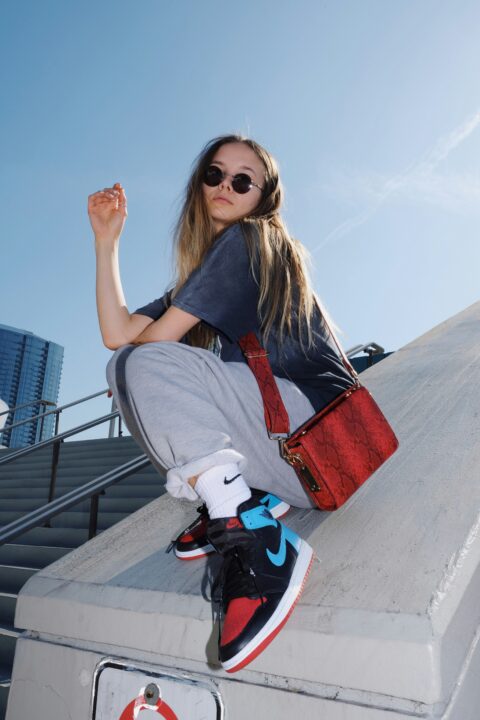
Accessories and details add depth to your style. Watches, shoes, bags, and even small elements like colors or textures can make a big difference.
It is also important to invest in quality rather than quantity. A few well-chosen pieces can create a stronger style than a large collection of random items.
Ultimately, personal style is about self-expression. It is about creating a wardrobe that feels like an extension of yourself.
4. The Psychological Impact of Personal Style
Fashion is not just external—it has a deep psychological impact. The way you dress affects how you feel, how you think, and how others perceive you.
When you wear something that aligns with your identity, it boosts your confidence. You feel more comfortable and self-assured. This confidence influences your behavior, making you more positive and assertive.
On the other hand, wearing something that does not feel right can create discomfort. It can affect your mood and reduce your confidence. This shows how closely fashion is linked to mental well-being.
Personal style also plays a role in self-perception. It shapes how you see yourself. When you dress in a way that reflects your identity, it reinforces your sense of self.
Social perception is another important factor. People often form impressions based on appearance. A well-defined personal style can create a strong and positive impression.
Fashion can also be a form of emotional expression. It allows people to express their mood, creativity, and individuality. This makes it a powerful tool for communication.
In many ways, personal style acts as a bridge between inner identity and outer appearance. It connects how you feel with how you present yourself to the world.
Understanding this psychological impact helps in making better fashion choices. It encourages people to focus on authenticity rather than trends.
5. Embracing Identity: The True Power of Personal Style
The true power of personal style lies in identity. It is about embracing who you are and expressing it confidently through fashion.
When you develop a strong personal style, you no longer depend on trends for validation. You become more independent in your choices, creating a style that feels genuine and lasting.
This sense of identity brings confidence. You feel comfortable in your own skin, and this confidence reflects in your presence. It makes you stand out without trying too hard.
Personal style also allows for growth. As you evolve, your style evolves with you. It becomes a reflection of your journey, capturing different phases of your life.
Another important aspect is freedom. Personal style frees you from the pressure of fitting in. It allows you to explore, experiment, and express yourself without limitations.
Fashion becomes more meaningful when it is connected to identity. It is no longer just about looking good—it is about feeling right.
In a world driven by trends, choosing identity over imitation is a powerful decision. It shows confidence, authenticity, and self-awareness.
Ultimately, personal style is not about perfection—it is about expression. It is about telling your story through what you wear and embracing your individuality.
When fashion moves from trends to identity, it transforms into something much deeper. It becomes a source of confidence, creativity, and personal power.