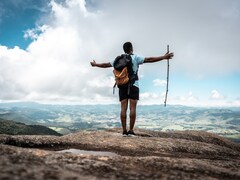
1. Why Solo Travel Is a Life-Changing Experience
Solo travel is more than just visiting new places—it’s a journey of self-discovery. When you travel alone, you step out of your comfort zone and learn to rely on yourself. You make your own decisions, explore at your own pace, and experience complete freedom.
For first-time travelers, solo trips may feel intimidating, but they are incredibly rewarding. You get the chance to meet new people, understand different cultures, and build confidence. Unlike group travel, where plans are often fixed, solo travel allows flexibility. You can change your itinerary anytime, spend more time at places you love, and skip things that don’t interest you.
Another major benefit is personal growth. Facing challenges like navigating a new city, communicating with strangers, or managing your budget helps you become more independent and responsible. These experiences shape your personality and boost your self-confidence.
In 2026, solo travel is becoming more popular, especially among young travelers. With better connectivity, travel apps, and safety measures, exploring the world alone has never been easier.
2. Planning Your First Solo Trip Smartly
Planning is the foundation of a successful solo trip. Start by choosing a destination that is safe, tourist-friendly, and easy to navigate. As a beginner, avoid overly complicated or risky locations. Research about the place, including weather, culture, local laws, and transportation.
Create a basic itinerary that includes places you want to visit, but keep it flexible. Overplanning can make your trip stressful. Leave room for spontaneity and unexpected experiences.
Budget planning is equally important. Calculate your expenses, including travel, accommodation, food, and activities. Always keep some extra money for emergencies. Use travel apps to compare prices and find the best deals.
Booking your accommodation in advance is a smart move. Choose places with good reviews and safe locations. Hostels, hotels, and Airbnb options are popular among solo travelers. Hostels are especially great for meeting other travelers.
Don’t forget to inform your family or friends about your travel plans. Share your itinerary and keep them updated regularly. This adds an extra layer of safety.
3. Packing Essentials for Solo Travelers
Packing smart is crucial when you’re traveling alone. Since you have to carry everything yourself, avoid overpacking. Focus on essentials and choose versatile items.
Start with clothing suitable for your destination’s weather. Pack outfits that can be mixed and matched easily. Comfortable shoes are a must, as you’ll likely do a lot of walking.
Carry important documents like your ID, passport, tickets, and travel insurance. Keep both physical and digital copies. A small travel organizer can help keep everything in place.
Other essentials include a power bank, phone charger, basic medicines, toiletries, and a reusable water bottle. A lightweight backpack is useful for daily outings.
Safety items are also important. Carry a lock for your bag, a money belt, and emergency contact details. Avoid carrying too much cash—use cards or digital payments whenever possible.
Remember, the goal is to travel light but prepared. Smart packing makes your journey smoother and more comfortable.
4. Staying Safe While Traveling Alone
Safety is the biggest concern for first-time solo travelers, but with proper precautions, you can travel confidently.
Always stay aware of your surroundings. Avoid isolated areas, especially at night. Stick to well-lit and crowded places. Trust your instincts—if something feels wrong, leave immediately.
Keep your valuables secure. Don’t display expensive items like jewelry or gadgets openly. Use anti-theft bags and keep your belongings close to you.
Transportation safety is also important. Use trusted transport services like official taxis or ride-sharing apps. Avoid accepting rides from strangers.
Stay connected with your family or friends. Share your live location when needed and check in regularly. Having a local SIM card or internet access is very helpful.
Research emergency contacts of your destination, such as local police or helplines. Knowing where to seek help can make a big difference in critical situations.
Safety doesn’t mean fear—it means being prepared and aware.
5. Managing Money and Budget Effectively
Managing your finances wisely is essential during solo travel. Since you’re alone, you are fully responsible for your expenses.
Start by setting a daily budget. This helps you track your spending and avoid overspending. Divide your budget into categories like accommodation, food, transport, and activities.
Use a mix of payment methods. Carry some cash for small expenses, but rely mostly on cards or digital payments for safety. Avoid keeping all your money in one place—split it between your wallet, bag, and a hidden pocket.
Look for ways to save money. Choose budget accommodations, eat at local restaurants, and use public transportation. Many destinations offer free or low-cost attractions that are worth exploring.
Booking tickets and accommodations in advance can also help you save money. Keep an eye on discounts and deals.
Always have an emergency fund. Unexpected expenses can arise, and having extra money ensures you don’t face difficulties.
Smart money management allows you to enjoy your trip without stress.
6. Meeting New People and Enjoying the Journey
One of the best parts of solo travel is meeting new people. Even though you’re traveling alone, you’re never truly alone.
Stay in hostels or join group tours to connect with fellow travelers. These are great opportunities to share experiences, make friends, and even find travel companions for a part of your journey.
Be open to conversations, but also maintain boundaries. Not everyone you meet will become a close friend, and that’s okay. Choose interactions that feel comfortable and safe.
Engage with locals to understand the culture better. Try local food, learn a few basic phrases of the local language, and participate in cultural activities. These experiences make your trip more meaningful.
At the same time, enjoy your own company. Solo travel is also about spending time with yourself. Visit places, sit in a café, or watch a sunset alone. These moments are peaceful and memorable.
Balancing social interactions and personal time is the key to enjoying solo travel.
7. Building Confidence and Creating Memories
Solo travel is one of the best ways to build confidence. Every challenge you overcome—whether it’s navigating a new city or handling unexpected situations—makes you stronger.
Start with small steps. Your first solo trip doesn’t have to be long or far. Even a short trip can teach you a lot. As you gain experience, you’ll feel more comfortable traveling alone.
Document your journey. Take photos, write a travel journal, or share your experiences on social media. These memories will stay with you forever.
Don’t aim for perfection. Things may not always go as planned, and that’s part of the adventure. Embrace the unexpected and learn from every experience.
Most importantly, enjoy the journey. Solo travel is not just about reaching destinations—it’s about the experiences, lessons, and memories you create along the way.