
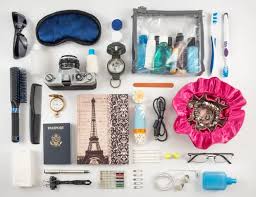
1. Why a Travel Checklist Is Important
Traveling is one of the most exciting experiences in life, but it can quickly turn stressful if you forget something important. Whether you’re planning a short weekend trip or a long international vacation, having a travel checklist ensures that you stay organized and prepared. Many travelers underestimate the importance of planning and end up facing unnecessary problems like missing documents, packing the wrong clothes, or forgetting basic essentials.
A travel checklist acts as your safety net. It helps you keep track of everything you need before leaving home. Instead of relying on memory, which can be unreliable during the excitement of travel, a checklist provides clarity and confidence. It reduces last-minute panic and allows you to focus on enjoying your journey.
Moreover, a checklist saves time and money. Forgetting essential items often leads to buying them at higher prices at airports or tourist locations. By preparing in advance, you avoid unnecessary expenses and inconvenience. Whether you are a beginner or a frequent traveler, a well-planned checklist is your best travel companion.
2. Essential Travel Documents You Must Carry
One of the most important parts of your travel checklist is your documents. Without them, your entire trip can be disrupted. Always double-check your documents before leaving home.
Start with your ID proof, such as an Aadhaar card, passport, or driver’s license. For international travel, your passport and visa are mandatory. Make sure your passport is valid for at least six months from your travel date.
Carry both physical and digital copies of important documents. Keep printed copies in your bag and save scanned versions on your phone or email. This can be very helpful in case of loss or theft.
Other important documents include travel tickets, hotel reservations, travel insurance, and emergency contact details. If you’re traveling for work, don’t forget business-related documents.
Organizing your documents in a travel folder or pouch makes it easier to access them when needed. This small step can save you from major stress during your journey.
3. Packing the Right Clothes for Your Trip
Clothing is one of the most common areas where travelers make mistakes. Either they overpack or forget essential items. The key is to pack smart, not more.
Start by checking the weather of your destination. This will help you decide what type of clothes to carry. For example, if you’re traveling to a cold place, you’ll need warm layers like jackets, sweaters, and thermal wear. For a beach destination, light and breathable clothes are ideal.
Choose versatile outfits that you can mix and match. Neutral colors work best because they can be styled in multiple ways. Avoid carrying too many heavy or bulky clothes unless necessary.
Don’t forget essentials like undergarments, sleepwear, socks, and comfortable footwear. A pair of good walking shoes is a must, especially if you plan to explore a lot.
Also, pack according to your activities. If you’re planning adventure sports, carry appropriate clothing. If you’re attending events or dinners, include a few stylish outfits.
Rolling your clothes instead of folding them saves space and keeps your luggage organized. Packing cubes can also help you separate different types of clothing.
4. Personal Care and Hygiene Essentials
Maintaining personal hygiene while traveling is very important for your comfort and health. Carrying your own hygiene products ensures that you don’t have to depend on unfamiliar or expensive alternatives.
Start with basics like a toothbrush, toothpaste, face wash, soap, shampoo, and conditioner. Travel-size bottles are ideal as they save space and comply with airline regulations.
Don’t forget items like deodorant, moisturizer, sunscreen, and lip balm. These are especially important if you’re traveling to places with extreme weather conditions.
For women, personal hygiene products like sanitary items are essential. It’s always better to carry your preferred products rather than searching for them in a new place.
Hand sanitizers, wet wipes, and tissues are must-haves, especially while traveling in public places. They help maintain cleanliness when water is not easily available.
If you wear makeup, carry only the essentials to avoid overpacking. Keep your products in a separate pouch to prevent leakage and keep your luggage clean.
5. Gadgets and Travel Tech You Shouldn’t Forget
In today’s digital world, gadgets play a crucial role in making travel easier and more enjoyable. From navigation to capturing memories, the right tech can enhance your travel experience.
Your smartphone is the most important gadget. It helps with maps, bookings, communication, and entertainment. Make sure your phone is fully charged before leaving and carry a power bank for backup.
Chargers, earphones, and adapters are equally important. If you’re traveling internationally, check the plug type and voltage requirements of your destination.
A good camera is a great addition if you love photography. However, if your phone has a good camera, you may not need an extra device.
Other useful gadgets include smartwatches, e-readers, and portable speakers. However, avoid carrying unnecessary gadgets that you won’t use.
Keep all your electronics organized in a separate pouch. This not only protects them but also makes security checks easier at airports.
6. Health, Safety, and Emergency Items
Your health and safety should always be a priority while traveling. Being prepared for emergencies can make a big difference.
Carry a basic first-aid kit that includes band-aids, antiseptic cream, pain relievers, and any prescription medicines you need. If you have specific health conditions, ensure you have enough medication for the entire trip.
Travel insurance is highly recommended, especially for international trips. It provides coverage for medical emergencies, trip cancellations, and lost belongings.
Keep emergency contact numbers handy. This includes family members, local authorities, and your country’s embassy (if traveling abroad).
A small flashlight, safety lock, and whistle can also be useful in certain situations. While these may seem minor, they can be helpful in emergencies.
Always stay aware of your surroundings and avoid risky areas. Keep your valuables secure and avoid carrying too much cash.
7. Money, Cards, and Travel Accessories
Managing your money properly is essential for a smooth travel experience. Carry a mix of cash and digital payment options.
Keep some local currency for small expenses like transportation, food, and tips. At the same time, carry debit or credit cards for larger transactions.
Use a travel wallet to organize your cash, cards, and important documents. This reduces the risk of losing them.
Other useful travel accessories include a neck pillow, eye mask, reusable water bottle, and backpack. These items enhance your comfort during long journeys.
A luggage lock and tag are also important for security and easy identification. If you’re traveling frequently, investing in a good-quality suitcase is worth it.
Lastly, always keep a small day bag for daily use. It should include essentials like your phone, wallet, water bottle, and a few personal items.